

Two new sports are now on the list of Olympic competitions: skateboarding and break. The first one, premiered at the Tokyo 2020 Olympics (held in 2021 due to the Covid-19 pandemic). In addition, break will debut at the Paris 2024 Olympics.
The two modalities did not appear in Brazil, but the country has world names in both sports. At the Olympic premiere, including the “fairy” Rayssa Leal, only 13 years old, took the silver medal on skateboard.
Skateboard
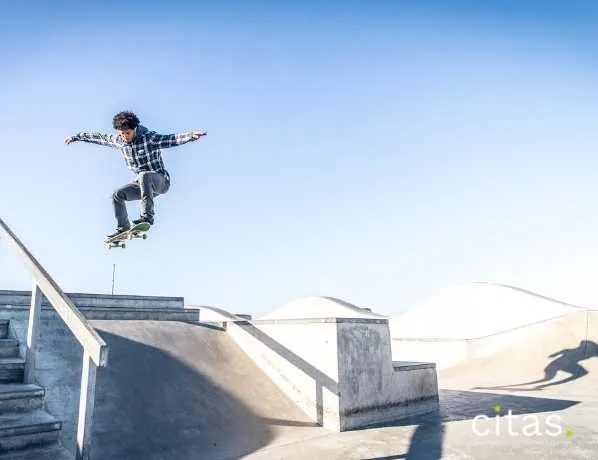
Let's start by talking about this modality so popular among young people, especially in the large Brazilian centers. In São Paulo, it could not be different.
The practice of skateboarding emerged between the 1950s and 1960s in the state of California, that is, in the United States, where there were many surfers.
The goal of the skateboard was to find an alternative to continue practicing the elements of surfing when the sea was not on the wave.
As soon as it came up, even, the sport was called sidewalk surfing, something like sidewalk surfing.
Shortly thereafter, under the influence of fashion magazines, young Brazilian surfers also began to practice the “suffo”. Yes, the sport was called this when it arrived in Brazil and practitioners used a kind of wooden board with rubber or metal wheels.
According to the Brazilian Skate Confederation, some of the first practitioners of the sport in Brazil were concentrated in the Skate square in the neighborhood of Sumare, West Zone of São Paulo.
From there, skateboards became popular in Brazil and until Rayssa Leal made history in the 2020 Olympics, names like Sérgio Fortunato de Paula, at the end of the 1970sBob Burnquist, Luan de Oliveira, Sandro Dias and, more recently, Letícia Bufoni collect titles won worldwide.
Skateboard and Break: the Skateboard in Sao Paulo
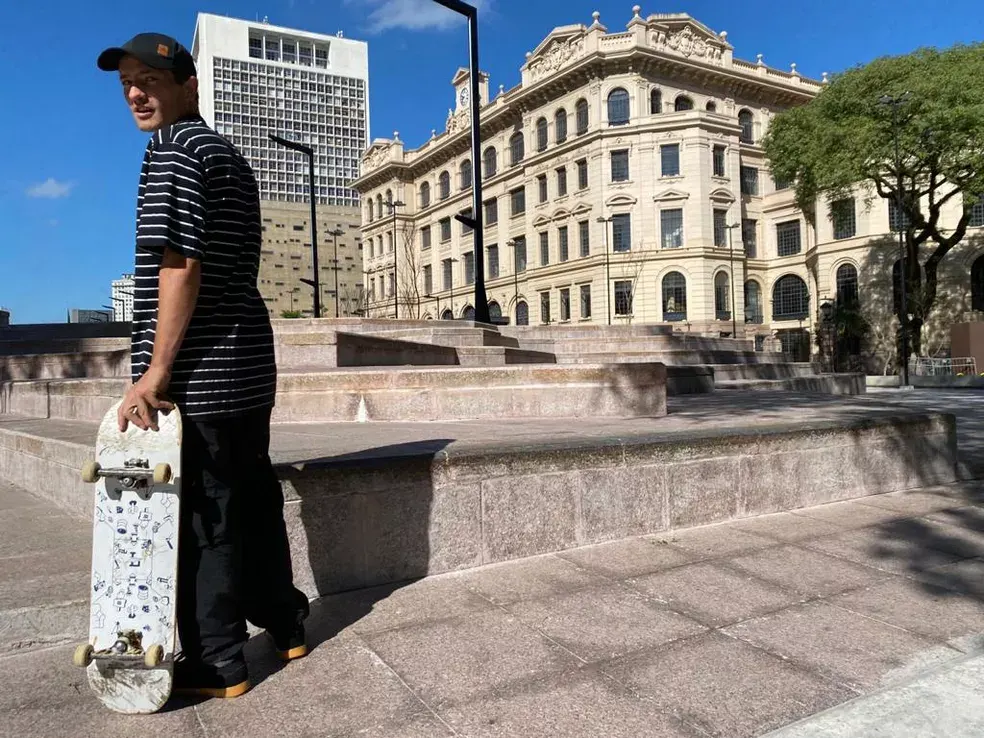
According to data from the Brazilian Skate Confederation, the last datasheet survey on sport was conducted in 2015 and pointed out the Southeast region as the one with the highest number of skaters: at least 14% of the households surveyed had a practitioner.The Brazilian average is 11%.
Since the arrival of the “surf” in Brazil to the present time, the practice has become a “lifestyle” and not just a sport. Practitioners have their own way of speaking, interacting, dressing and manifesting.
For many, it has become a way of fighting prejudice and expressing themselves freely around the city, as skateboarding can be practically everywhere in the city.
Currently, there are dozens of skateboarding spots distributed throughout the city of São Paulo, which is now the place where there is certainly the highest concentration of practitioners of the sport in the country. In the center of the capital, three places stand out and concentrate the “scene” of the skateboard in São Paulo.
One of them is in Roosevelt Square, where skaters believe there could be more obstacles to the practice of sport. There is also the runway of Zilda Natel Square, on 1250 Dr. Arnaldo Avenue.
In the region, there is also the Center for Radical Sports, at the time 5700 of Avenida Presidente Castelo Branco. This is considered one of the best tracks in the city, with several training spaces and many obstacles.
Breakdance, break or break
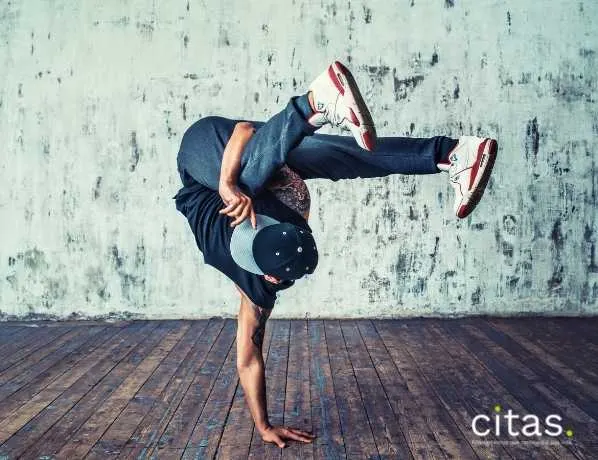
Another, now Olympic sport, which emerged from “need”. Breakdance, also known as “street dance”, has its origins with various influences. Reports start from two points, both in the 1970s in the United States.
A part of the black and Latin populations of New York City who adopted the dance instead of the fights in the disputes over territories in some neighborhoods.
Instead of violence among street gangs, break-boys as well as break-girls (also known as b-boys or b-girls) began competing among those who made the most amazing dance steps to the sound of hip hop and rap.
Another side of the story mentions the emergence of street dance in Los Angeles at the same time, with influence from the American funk, with the name “Loking”. The name, which means “locking” or “locking” indicate the way the dance movements were made. Fast and with sudden stops.
Even in the early 1980s, break arrived in Brazil and took over the streets of the big cities. At the beginning, in the streets of São Paulo, gained influence of capoeira in the dance movements, leaving everything with the Brazilian touch.
In fact, many believe that break and break capoeira They may have a common root of emergence, that is, as a consequence of the influence of enslaved blacks forced out of Africa to Brazil and the United States.
While capoeira remained more like a fight and a sport in Brazil, in the USA this influence seems to have given rise to street dance. However, later, both ended up merging.
Skateboard and Break: The Break in Sao Paulo
As the Brazilian Confederation of Breaking is estimated, São Paulo was the cradle of break in Brazil. The Pernambuco Nelson Triunfo, as it was known, arrived in São Paulo at the end of the 1970s with the first breakdance movements with his Funk & Cia team.
It was in 1983 that the streets of the Center of São Paulo, more specifically on the corner of May 24th with Don José de Barros, saw the first steps of break in Brazil. From then on, the dance/sport spread throughout the country.
Currently, the country has names such as Bart, Neguin, as well as Peelinho who have already excelled in the world scene with break.
In 2019, the city received the largest breakdance championship in the world, the Red Bull BC One, which featured participants from several countries in the competition.
Currently, there are several groups, professionals or amateurs in the capital of São Paulo, who practice breakdance. Whether in clubs, dance halls or where the practice, currently Olympic sport, has emerged: the streets of the city.
Did you like this article about Skate and Break?blog of Citas to gain access to our content, we talked about leisure options in São Paulo, sustainability, culture And more!
