Centrality reading
CITAS observes infrastructure, mobility, services and economic density before any decision on asset.

Overview
CITAS combines strategic territory reading, asset analysis, capital structuring and economic activation to regenerate urban value with rationality and scale.
Urban Intelligence Model
The model connects centrality reading, asset selection, feasibility design and activation of use in a single decision logic.
CITAS observes infrastructure, mobility, services and economic density before any decision on asset.
The asset's input depends on its adaptability, urban insertion and ability to sustain new program.
Capital, retrofit and operation are structured in an integrated way to reduce execution friction.
The new asset cycle depends on occupation, product, experience and operational consistency.
Regeneration Framework
The framework organizes criteria, stages and decisions to regenerate urban assets without separating territory, asset, capital and operation.
Reading demand, mobility, services and concrete signs of urban centrality.
Structure, typology, adaptability potential and coerence between address and new use.
Ability to structure investment, retrofit and return with more readable risk.
Positioning, experience of use, occupation and recurrent operation to sustain value in time.
Model Economy
The platform economy depends on the capture of territorial value, the reprogramming of the asset and operational consistency after activation.
Assets inserted in strong centralities are part of a more favorable urban base for real demand.
The adaptation of the asset returns use, attractiveness and new economic logic to the existing stock.
Management, occupation and consistency of experience reduce volatility and sustain economic relevance.
Cases
Territorial reading and economic activation only make sense when they become concrete cases, so the method connects to the portfolio buildings.
It shows the strategic before: why that building, in that centrality, maintained a new cycle of value.
Connects territorial reading, typology, architecture, mobility, public and economic model.
It transforms method into evidence: occupation, availability, quality of use and operational recurrence.
Mapeamos bairros com infraestrutura pronta, mobilidade e demanda real de moradia.
Escolhemos prédios de baixa performance cuja estrutura e endereço sustentam um novo ciclo de uso.
Montamos a estrutura financeira que viabiliza aquisição, obra e retorno do projeto.
Executamos a obra e reposicionamos o prédio, devolvendo padrão construtivo e um novo ciclo de uso ao ativo.
Operamos a locação no dia a dia — ocupação, relacionamento com moradores e performance recorrente do ativo.
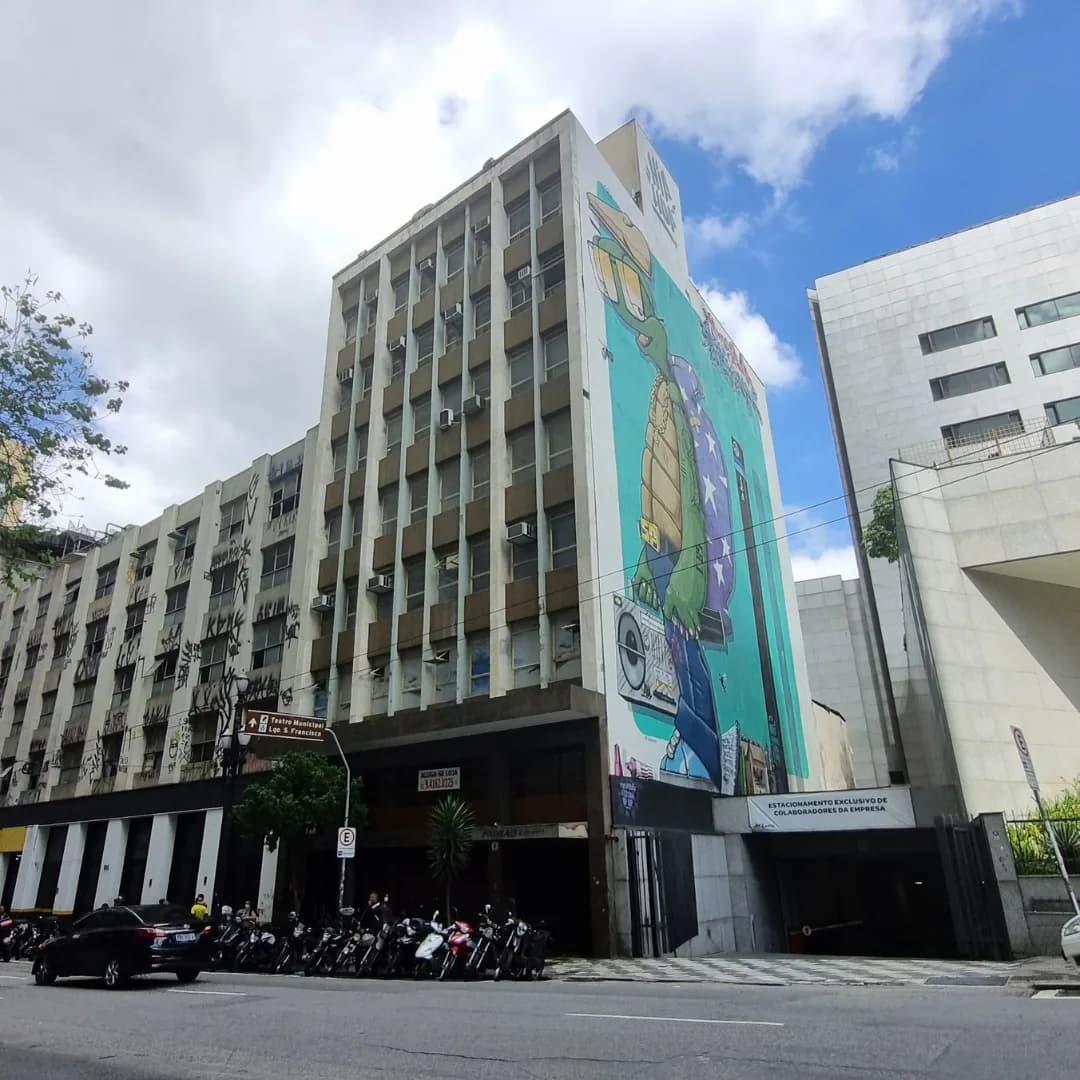
Centro Histórico, São Paulo
Heritage reactivated in the heart of the historic center.
A building that translates well the thesis of Citas: restored heritage, strong centrality and a way of living in direct contact with the history of the center.
Explorar o ativo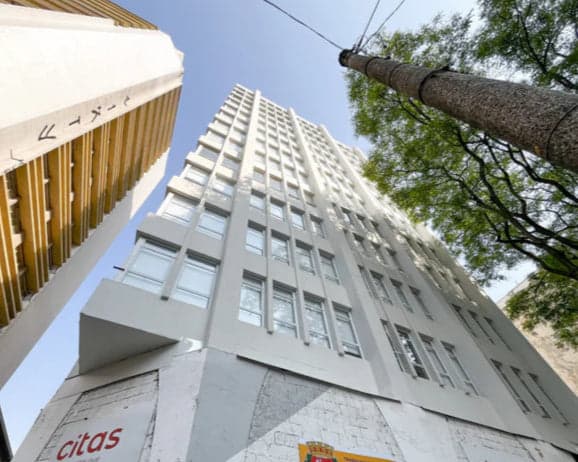
República, São Paulo
Modern architecture, mobility and everyday energy of the center.
Verticality, urban presence and an address that connects modern architecture, mobility and the daily energy of the center.
Explorar o ativo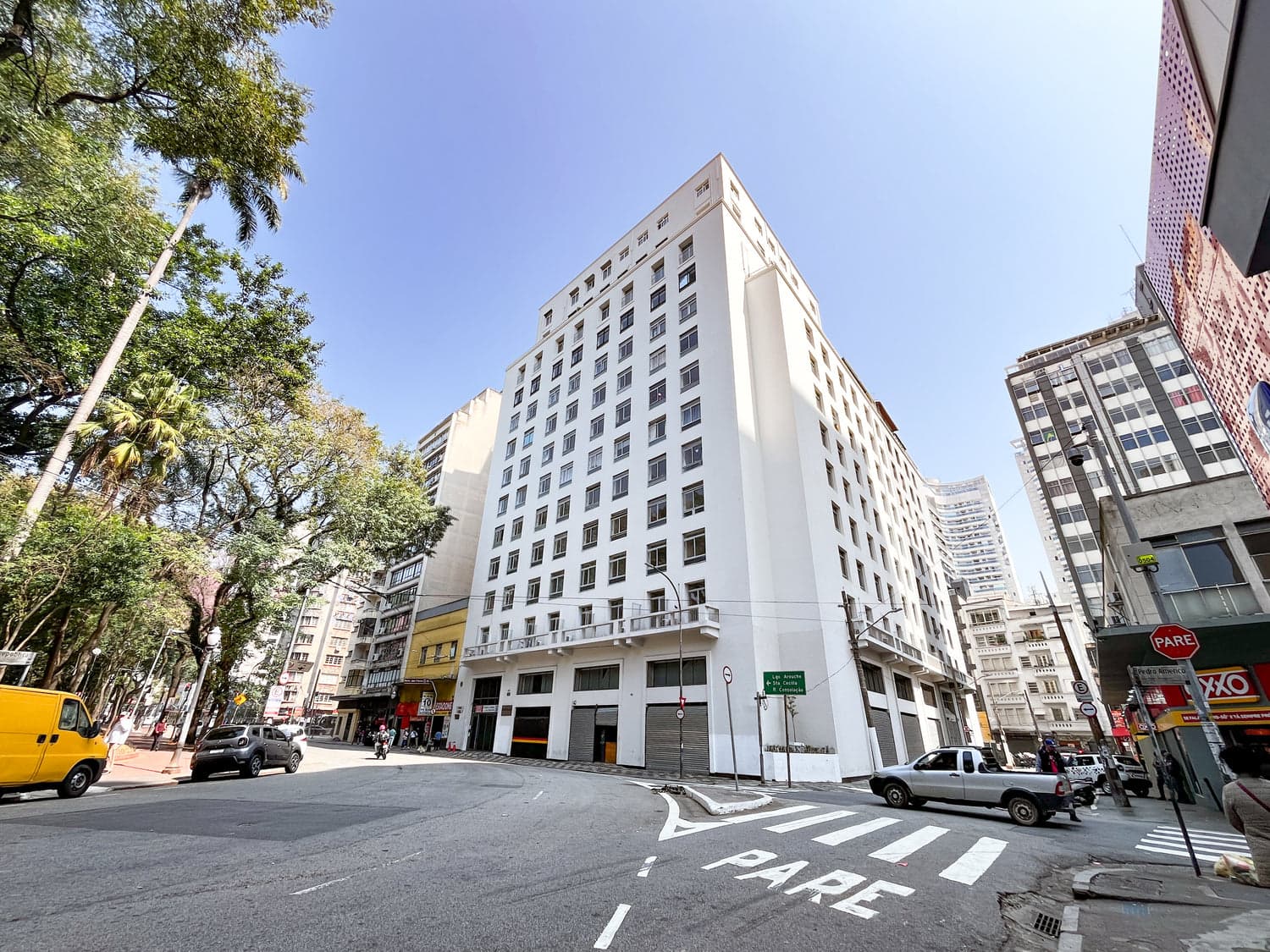
República, São Paulo
Residential retrofit with urban impact and quality of housing.
An emblematic case of residential retrofit in Brazil, where urban impact and quality of housing began to walk together.
Explorar o ativo