

The neutral language theme has been taking on more visibility, but do you know how to use a more inclusive language and why has this debate been gaining visibility?
The Portuguese language is organized into a binary naming system. That means that we always need to apply a genre and an article before words, especially nouns. An example is: the teacher, the teacher. However, we also have names finished in and, but that still needs an article, such as: the chair, the shelf.
Thus, it is necessary that we young people who live a generation without fear of asserting ourselves, let us begin to understand how the language works to then transform it. In addition to the language, we should also review how we use the means of communication, so that it is beyond inclusive and representative, accessible.
In this text I want to introduce you to some ways of “hacking” the Portuguese language and being able to change the way we speak.
Take a look at this content creator Luci Gonçalves video about speaking right or speaking wrong.
Besides binary, macho?
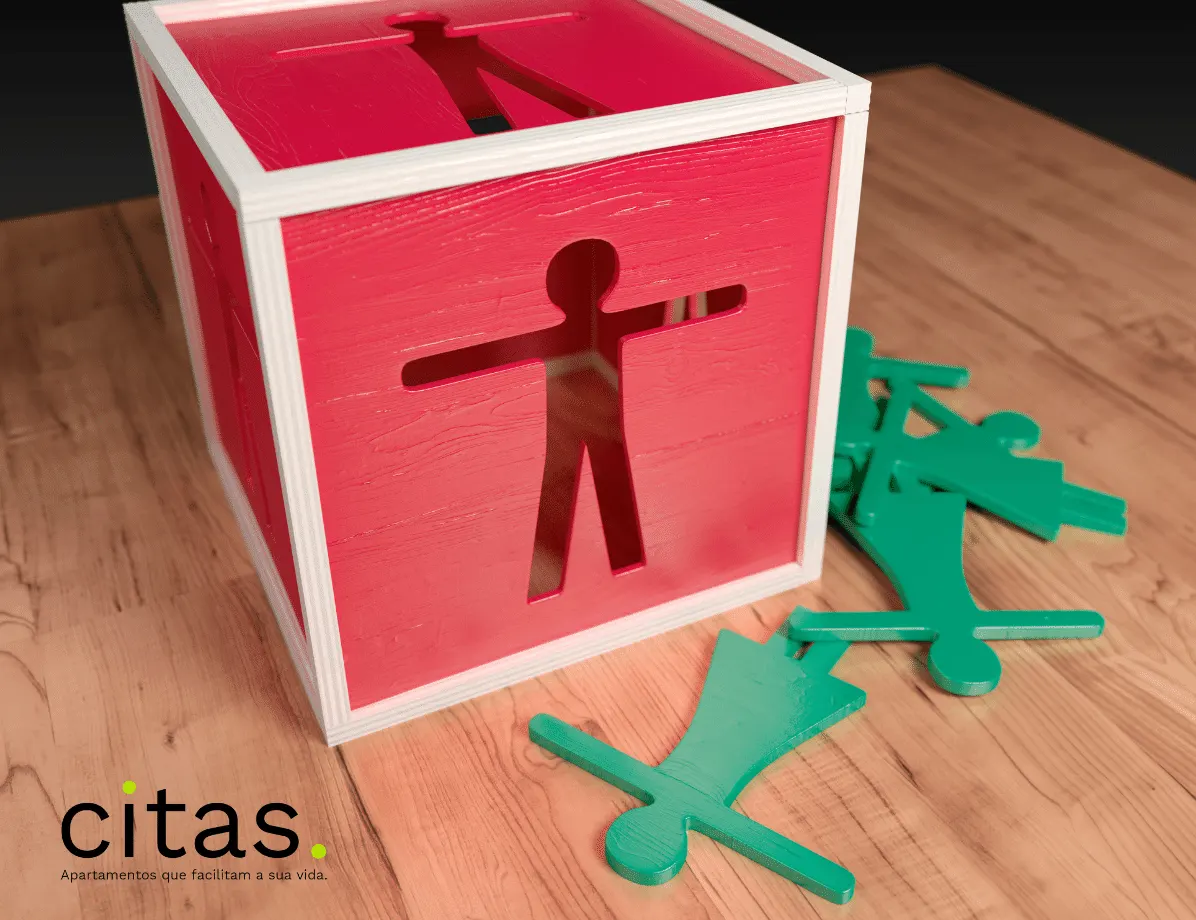
In addition to a binary structure, Portuguese is also a sexist language. If you want to refer to a room with 15 men and 25 women, you would refer to: “the boys in that room are so nice”, since when we talk about something, the language rule is forced to be in the male. Or, when we talk about some protest, we say “the teachers made a demonstration today”, and certainly, the large number of people in the demonstration were women.
So the first break we can do with the language is speak according to the presence of people. If there are more women who understand themselves with the female pronoun in the room, then it's women, even if they have men. If we are talking to a mixed audience, the first step is to use “as and those” for everything we are talking about, for example: “welcome and welcome to Citas.com.br”.
This video by content creator Jonas Maria speaks a little more about neutral language.
Political neutrality
Then the discussion about using the language in a neutral way is very extensive, and it has important points and questionable points. However, what is certain is that neutral language is not neutral at all, but rather a political statement of the group. LGBTQIA + for his life and presence in society.
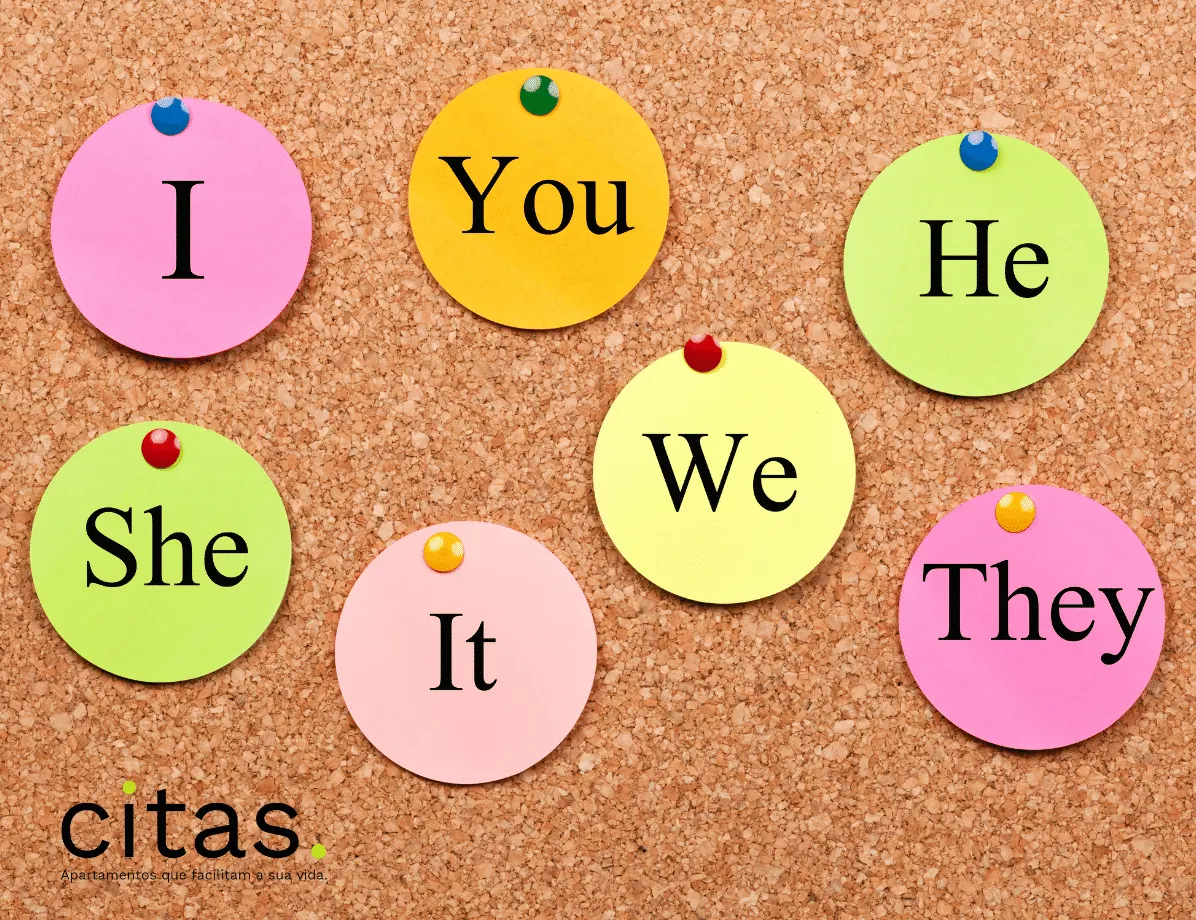
In English to refer to non-binary people, they/they use, which in free Portuguese - and not neutral - would be our “they, theirs”, but without necessarily saying that “they/they” refer to the male gender. If English we speak “they are playing soccer” (they are playing soccer), “they” does not mean that they are boys, only people.
In Portuguese, we have had several passages and there is still no consensus on how to use them, but there are good practices. The first is to try to find in the language the exit of binarity, use words such as: people, people, colleagues, helps bring neutrality and is within the rule of language. But, wait, what are those rules? Well, every language has a set of rules, systematized by language professionals for years, studied at the university and used in research. We, at school, have contact with the superficiality of these studies, through grammar. And within the rule, “people” means a mixed group of someone and should lead to agreement in the female gender.
However, it is possible to go beyond the rules and truly change the language we speak, so that neutral language does not always stay in this place of difference, but it may be normality. Some people have started to ask to be called “elu/delu”, bringing non-binarity. This has expanded, and today we have the “il/deli”, another way of using neutrality. When we speak of the singular, we can use the “elu/delu”, and when we speak in the plural “ile/deli”, as in “professories”, rather than “teachers”.
Watch this. Rita von Hunty's video on non-binary language for ELLE magazine>
Don't think anything makes sound!
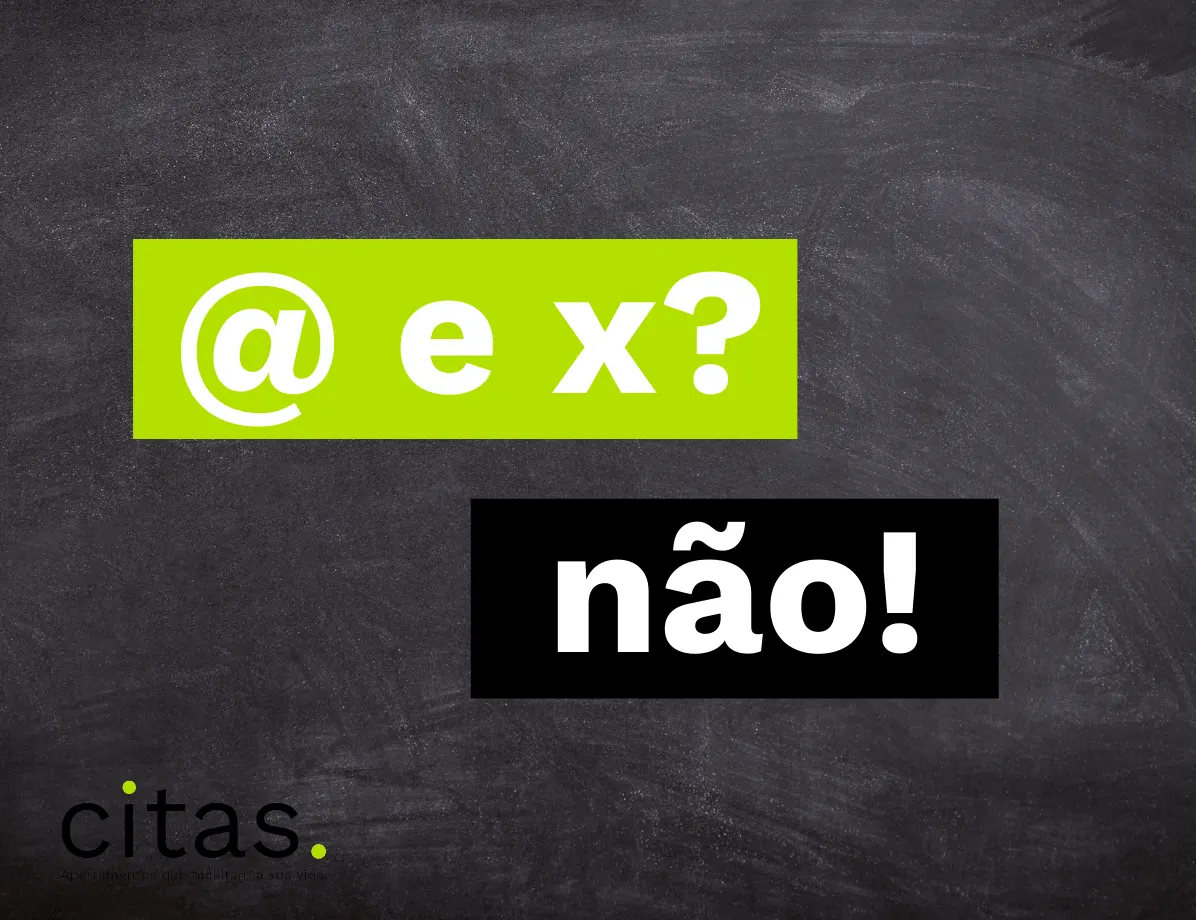
The discussion of neutral language has always taken over the internet. Today, many profiles indicate which pronouns should be used, but before these issues were more widespread, we had the texts with the “@” and “x”, which went to the end of the words that required binarity.
Who has never read something like “Queridxs students today we will have class at 8 pm”. When we read, the sound of the "x" in the head is not made, or soon comes the "o" in the place, because that's how we grow up listening. And then we have the word “students”, who try to adapt to neutrality, but nothing combines or agrees with the “queridxs”. That's the mixed salad we're going to avoid doing in this text.
The sound of “@” and “x” are not read in hearing or visual aids of people with disabilities, becoming an accessibilityless resource, which in trying to solve a social issue, reaffirms another. Therefore, many thinkers and thinkers of the language that discuss non binarity seek not to indicate the use of other endings, which are not letters.
How to write a whatsapp message in neutral language?
Hey, amore, how are you?
Honey, I heard you passed college! Congratulations on that achievement, lindie! Too bad we're in the pandemic, right, if we couldn't see each other. :( Speaking of which, did you see what happened to Jaime? Elu told me he went to a bar yesterday and took COVID19 :(((puts, this because in SP the vaccination of the crazy youth will only be in August, bone.
Anyway, kissing, I'm super happy for you.
Kiss
In addition to neutral language, we also put together a content about other expressions that are part of our vocabulary of everyday life, but that also carry a racist trajectory and that is past the time of take out the vocabulary!
Do you like this content? Take a look at other legal matters there in the blog
