

Here at Citas, we seek to develop a social project that has housing as a central point We believe (really) that housing is crucial for not only the quality of life of an individual, but also can have a direct impact on physical and mental health.
And if quality housing is so important, it should be for everyone.
Obviously there are expensive and cheap housings, big and small, for various pockets and wages, for various types of family unit.
When we started developing our project at the center, the most important question has always been:
What are the minimum requirements for a quality housing?
Honestly, we don't have a 100% definitive answer yet. There are many small criteria that may or may not transform a house into a good home, but we have always been sure: our quality housing has to be accessible and inclusive. It has to be real and possible – not a dream of magazine cover or soap opera palate status symbol. It's the desire to create this product that brought up Citas. And that's probably why we partnered with the International Finance Corportation (IFC), still in 2020, makes so much sense.
The Refuge Situation in Brazil
The circulation of people in the world is a historical fact. Rather, mainly by the availability of resources in collecting societies and nomads; today by social, political and economic ills; especially wars and persecutions.
Analyzing historical data on the reception of refugees in Brazil, it is clear that, although it is not a new movement, it has been increasing its relevance in recent times. Just as an example, 84% of all refuge requests made directly to the Federal Police in the last one were made in the period 2017 to 2020. Currently, the five countries with the highest number of refugees are Syria, Venezuela, HAITI and Cuba.
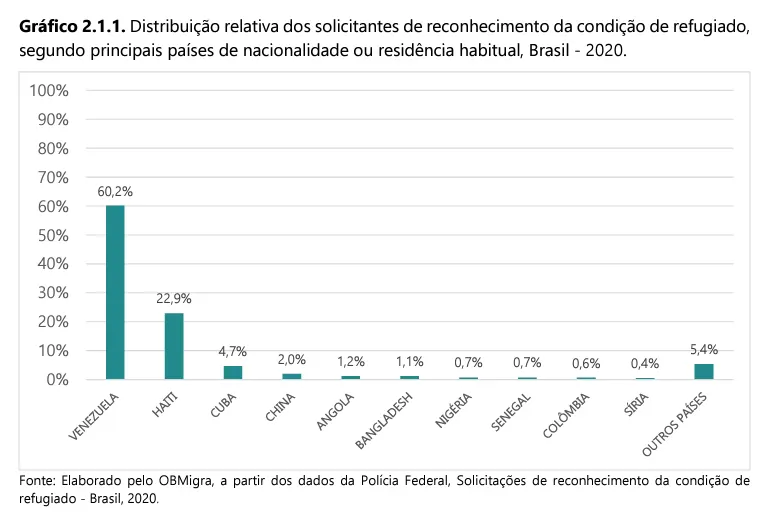
In a recent survey, the Brazilians were generally open to receiving immigrants. It was identified that 8 out of 10 people support the reception of foreigners in this type of situation. Nevertheless, the country still receives very few refugees.
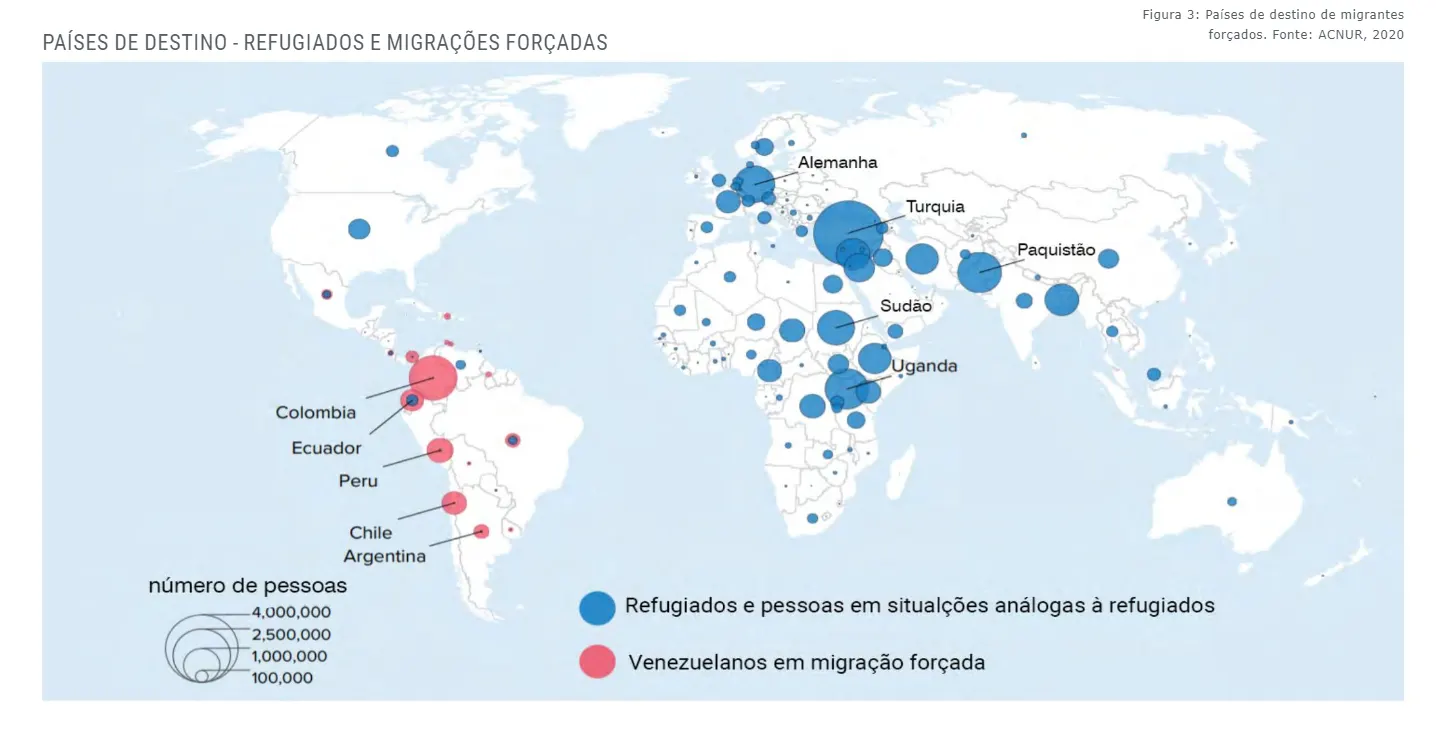
Barriers Faced
Throughout their lives, Brazilians go through some stages of their experience in society, which, despite bureaucratic, are already well known. For a foreigner, some items that seem to us to be banal in general, may mean immense barriers. Some of them are:
- Language
- Access to public education
- House
- Validation of diplomas
- Opening of Business
Our objectives with this Social Project
Thinking about the challenges faced by refugees and our experience with the real estate market, we focus our efforts to rethink housing and that meet some of the 17 Sustainable Development Goals:
We seek complex answers to a complex problem.The objective of the program is to create a replicable solution that can reach several families and groups in the future.It is important to remember that the project, despite addressing historical problems that affect the population of large urban centers, is not welfareist.
Our project has no welfare bias, the idea is not limited to charging less or talking about subsidized rent, which would be a simplistic answer to a complex problem that would not be replicable.
The project also aims to rethink forms and products. For the time being we have more questions than answers:
How can I get this person to live in this place?
How do I conduct a credit analysis of a person who has no formal employment contract or credit history in Serasa?
What rental guarantees can I ask for, so that this person can live and at the same time I have security will I receive?
Can I in any way offer other ancillary things that could increase this person's integration into society?
The fact that she is living in the center can increase her employability, and as a result improve the income available for rent, turning into a virtuous circle?
EDGE Certification
Also part of this social project is EDGE certification of the two assets.
Unlike other market certifications, the EDGE seal it takes into account the consumption of water and light that the building will have in the long term, besides the efficiency of use and reuse of materials throughout the work.The seal was developed thinking in social contexts of developing countries and therefore has very rational criteria and adherent to social projects.
The Cycles of the Social Project
And how do we plan to answer these questions? Imagine, test, measure.
The first participating buildings in the program should be ready in 12 months. This is the deadline we have to propose the first ideas. We have very qualified groups with us who have been working with these populations for some time and they are guiding us with data and realities that we do not know about completely. In addition to the IFC, we have the support of the Acnur, Compassionate.
It is based on our deep understanding of the traditional real estate market with the inputs of these organizations on the reality of the refugee population that we are at many hands building this together.
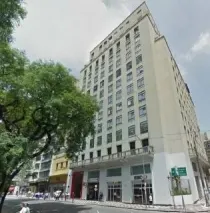
The buildings are already chosen! Initially we will have units in the R497. The specific units will still be selected and we intend to marry the profile of the residents and their needs with the typologies available. Large family with children does not occupy the same space as young singles, for example.
We have the next few months to design this new rental process and select the first group of residents. Then, we intend to accompany them for at least 6 months to measure the impact that the new housing created, as well as to draw statistics on default, late payments and other financial concerns that generally leave the owners of more fearful properties to accept this type of lease.
Disclosure, Disclosure, Disclosure!
The last and most important step is to disseminate the results. The data from the experiment must be widely disseminated. Our work will only be considered successful if we can encourage other owners to follow the same path and open up more opportunities for refugees. Prejudice and ignorance can only be combated with information, clarity and transparency, and, of course, with much respect for others.
Next Steps of the social project
We are still at the beginning of this journey, but let’s tell the news here – almost like a logbook of this rich experience. Don’t miss it!
